App: Snow Safe
Hosted on GitHub:
Mission Statement
Toronto is a city where everyday mobility depends on sustainable modes, including public transit, walking, and cycling. With a population of 2,794,356 residents since 2021, many trips inside Toronto are made by transit (24.0%), walking (12.1%), and bicycle/other micromobility (4.4%), highlighting how essential low carbon travel is to daily life (City of Toronto, 2024).
But Toronto’s winter climate routinely disrupts these modes. Toronto’s winter operations are large in scale, covering approximately 7,900 km of sidewalks and 486 km of cycling infrastructure lanes, but major snowfalls and freeze-thaw cycles can still create localized barriers that make sustainable travel unreliable (City of Toronto, 2024).
Climate normals (1991-2020) show that Toronto experiences substantial snowfall in peak winter months (e.g., about 34.7 cm in January and about 28.8 cm in February on average) (Environment and Climate Change Canada, 2025), and in January 2026 parts of the city were buried under nearly 60 cm of snow, triggering major delays and accessibility challenges before residential streets and sidewalks could be fully cleared (Casaletto, 2026).
Toronto has established winter maintenance plans and tools like PlowTO, which shows recent snow-clearing activity (roughly the past four hours) for road, sidewalk, and cycling crews (City of Toronto, n.d.). Yet recent storms have highlighted persistent accessibility gaps, particularly where snowbanks, slush, and ice obstruct sidewalks, curb cuts, and transit access, disproportionately affecting people with disabilities, seniors, and anyone with mobility limitations (Campbell, 2026). Residents can report snow/ice issues through 311 and track service requests (City of Toronto, n.d.). However, Toronto’s open 311 dataset is not a complete, real-time view of operational demand: City open data analysis notes it represents only about 30–35% of total 311 requests and covers 6 of the City’s 45 divisions, creating an information gap between what residents experience and what others can quickly see or act on (City of Toronto, 2026).
Our mission is to keep sustainable transportation usable year-round by building SnowSafe, an ArcGIS Online (AGOL) web app that integrates real-time winter maintenance activity and community-reported accessibility conditions into a shared, interactive layer, so residents can plan safer trips, communities can coordinate mutual aid (e.g., shovelling help, grocery delivery), and decision-makers can identify where winter accessibility gaps persist. This approach is grounded by evidence linking active transportation with aspects of social capital such as community participation, suggesting that safer walking/cycling access and community connection can reinforce one another (Stroope, 2021).
(citations are available in Mission Statement document in team’s section of the GitHub repo)
Video Presentation
Documentation
- README.md
- Future_Enhancement.docx
- Mission_Statement.docx
- Statement_of_Characteristics.docx
- User_Guide.docx
Team Members
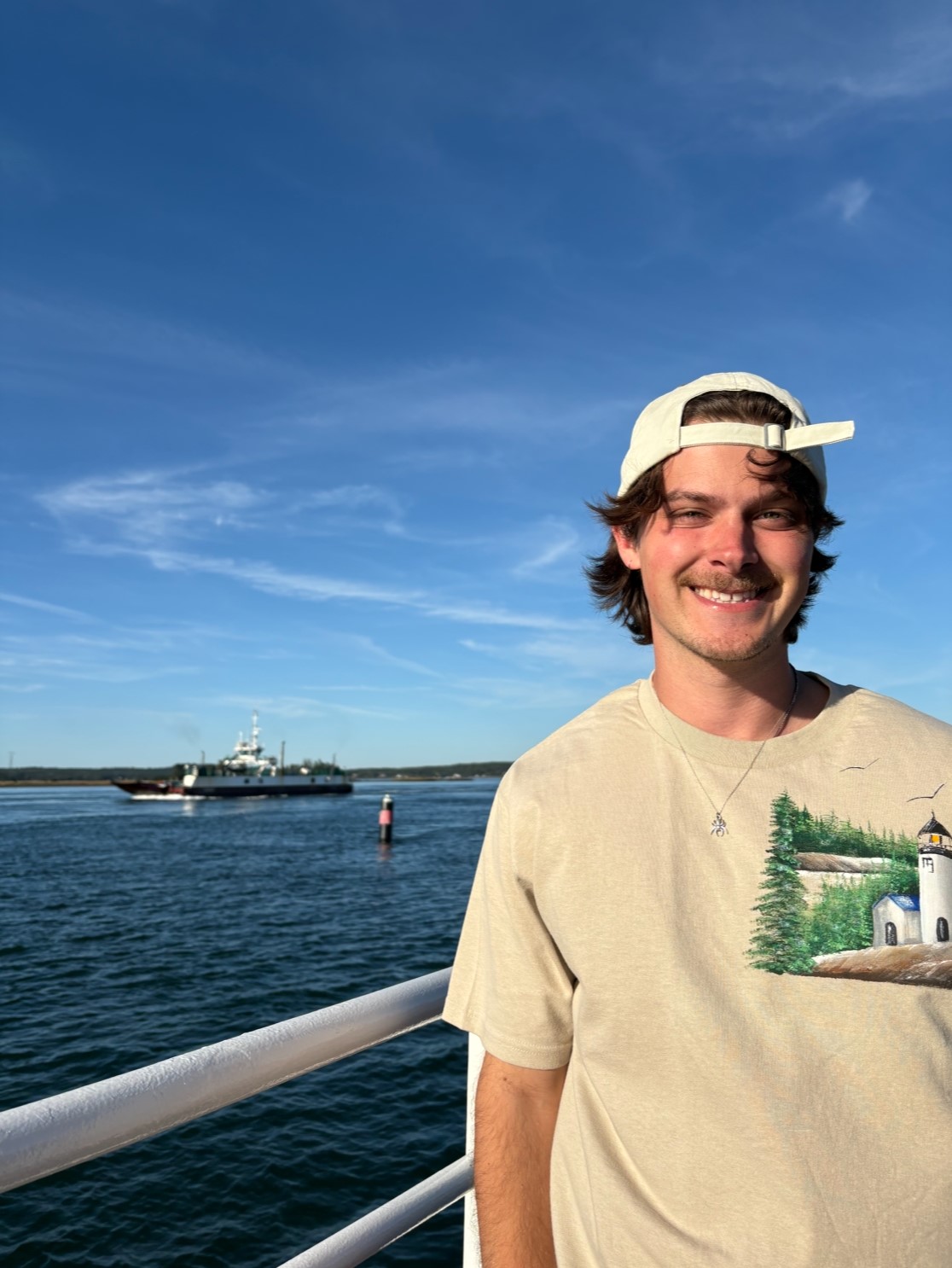 Liam Taylor: Hey I'm Liam, I’m a fourth-year Geography and Environmental Management student at the University of Waterloo, specializing in Geomatics. I’m really interested in GIS and how spatial analysis can be used to better understand things like accessibility, infrastructure, and environmental challenges. Most of my recent work has involved using ArcGIS Pro and web mapping tools to look at healthcare access and spatial inequality. Outside of school, I spend my time rock climbing, snowboarding, and kayaking.
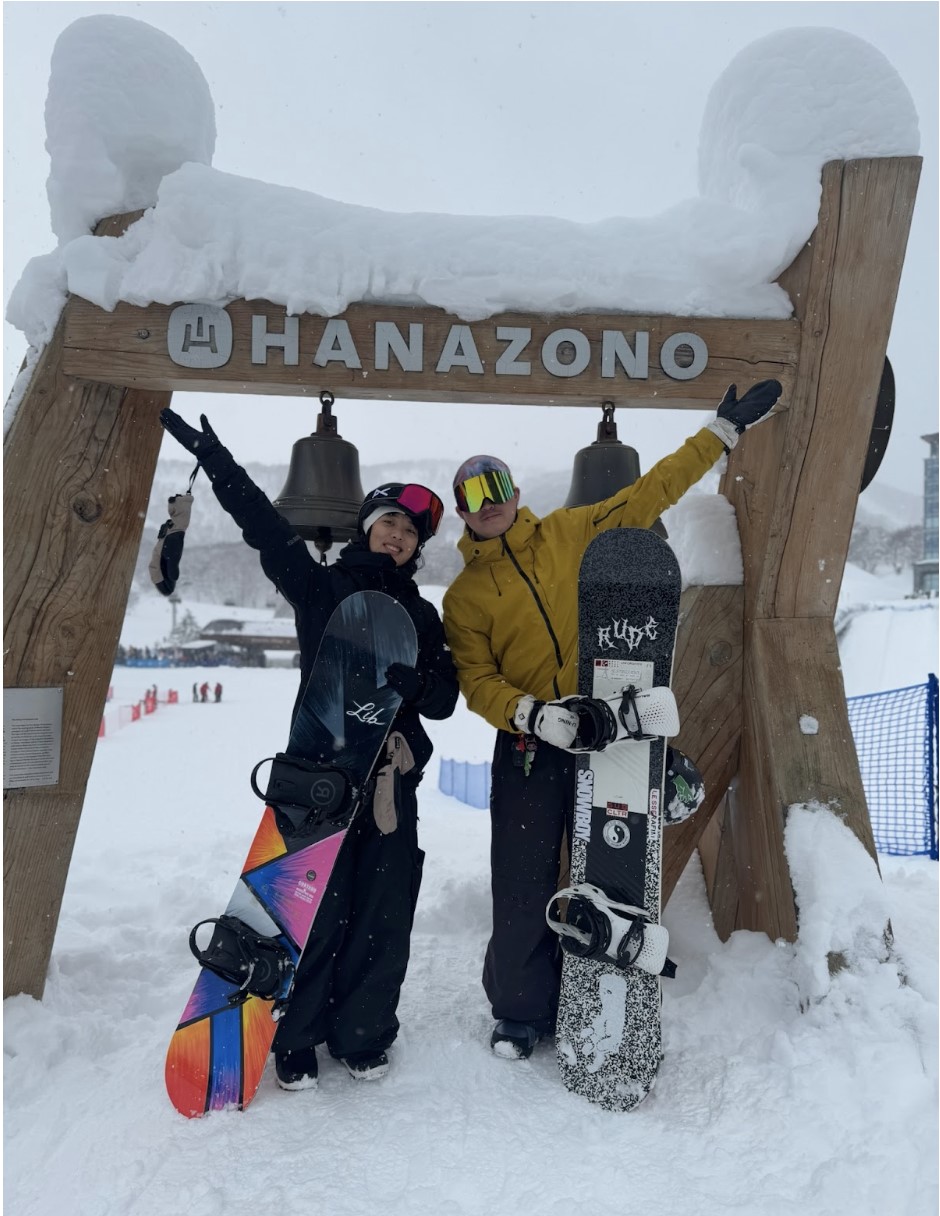 Lucia Lee: (left, black coat) Hi, I’m Lucia, a final-year Geomatics undergrad student. I’m drawn to GIS because it sits at the intersection of so many fields, and I’ve loved exploring it through my experiences in transportation, forestry research, and public works. I’m always curious about where spatial thinking can add clarity in the real world, and I enjoy learning emerging GIS tools and figuring out how to integrate them into existing workflows. In my coursework, I’ve especially liked spatial statistics, Getis-Ord Gi* is a favourite (and the inspiration behind our team name #let’s getis-bread Gi*). Outside of school, you’ll usually find me snowboarding or skateboarding, hosting community-driven events (film nights and workshops), or drawing.